Riding a bicycle offers unparalleled freedom, a healthy commute, and a fantastic way to explore. But with the joy of cycling comes a lurking concern for every owner: bike theft. It’s a sobering reality that bikes, regardless of their value, are targets. This is precisely where a robust defense like the Bell bike U-lock steps in, offering a crucial layer of security and much-needed peace of mind. Investing in the right lock isn’t just about preventing theft; it’s about safeguarding your passion and protecting your daily routine. Let’s dive deep into how a Bell bike U-lock can be your steadfast guardian against sticky fingers and ensure your two-wheeled companion stays right where you left it.
The Enduring Legacy of U-Locks in Bike Security
Think about the evolution of bike security, and you’ll trace a fascinating journey from simple chains to complex, multi-layered systems. For decades, various locks have tried to stand up to the challenge of determined thieves, but few have achieved the iconic status and proven reliability of the U-lock. These formidable devices, often referred to as D-locks due to their distinctive shape, emerged as a game-changer. Their simple yet incredibly strong design quickly made them the gold standard for urban cyclists and anyone serious about protecting their ride. Unlike flimsy cable locks that can be snipped in seconds, the rigid, hardened steel shackle of a U-lock presents a formidable barrier, significantly increasing the time and specialized tools required for a thief to even attempt a breach. This inherent strength and resistance to common attack methods are why U-locks continue to be the cornerstone of effective bike security worldwide.
Decoding Your Bell Bike U-Lock: Construction and Varieties
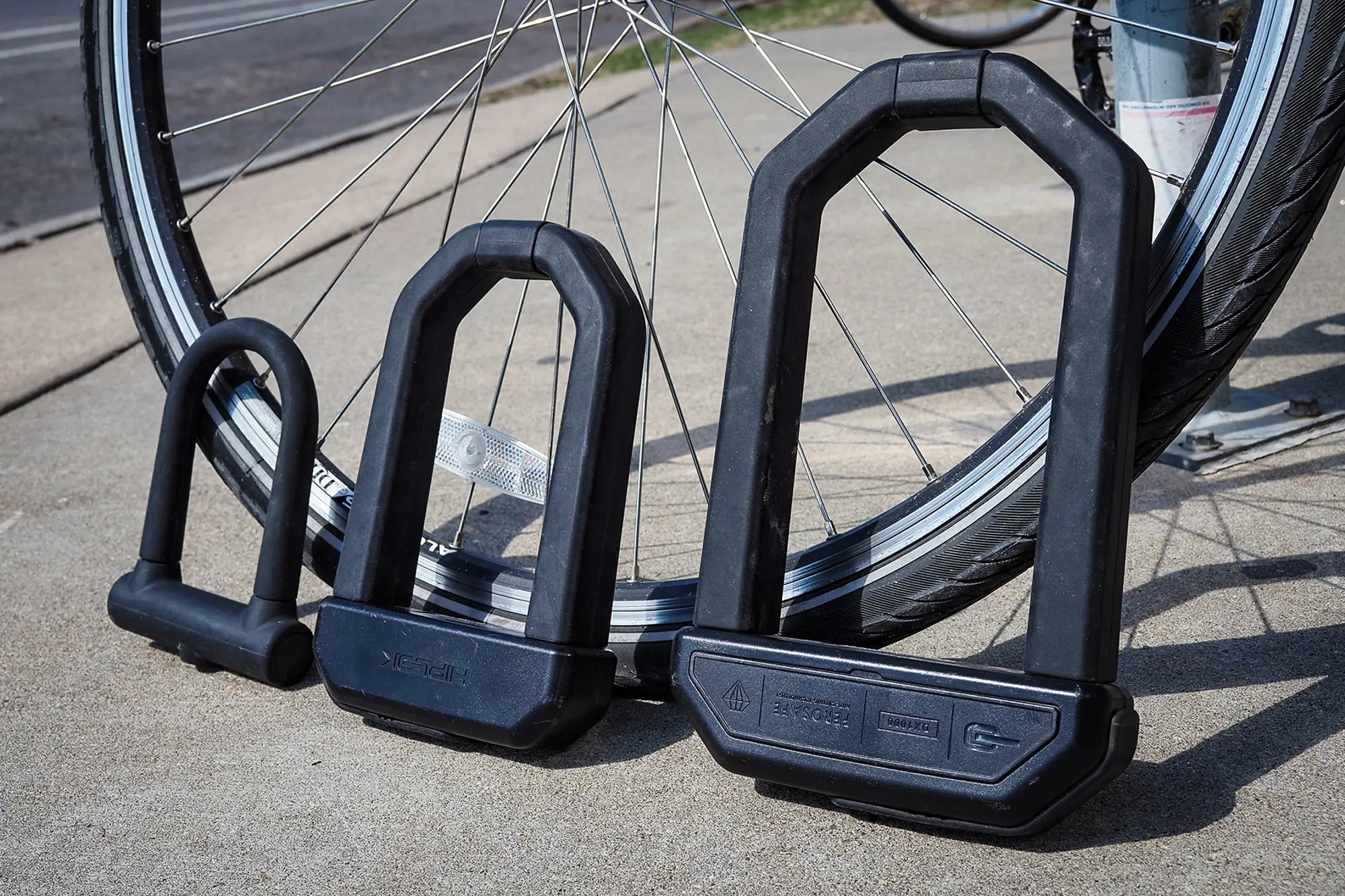
When you hold a Bell bike U-lock, you’re gripping a carefully engineered piece of security technology. At its heart, a U-lock’s strength comes from its construction. The main component is the hardened steel shackle, designed to resist cutting, prying, and leverage attacks. This robust “U” shaped bar then locks into a crossbar, often utilizing a double deadbolt mechanism for enhanced resistance against twisting and pulling. Many Bell U-locks, like those in their popular Catalyst series, feature a protective vinyl coating on the shackle. This isn’t just for aesthetics; it’s a practical layer to prevent scratches and dings on your bike frame, a thoughtful detail that cyclists truly appreciate.
Bell offers various U-lock models, differing in shackle size, weight, and specific features. Some, like the Bell Catalyst 350 Double Shackle U-Lock, offer enhanced versatility by allowing you to secure both the frame and a wheel more easily. Others, like the Catalyst 550, are praised for their substantial feel and solid security. Bell also integrates useful features like keys with small flashlights, making it easier to lock up in low-light conditions.
One of the most helpful aspects of Bell U-locks is their transparent security rating system, which typically ranges from 1 to 5. A security level 1 lock offers basic deterrence for very low-risk situations, while a level 4 or 5 Bell bike U-lock provides substantial protection, making it ideal for urban environments or longer parking durations. These higher-rated locks often come with an anti-theft guarantee, a testament to Bell’s confidence in their product’s ability to resist forced entry.
Beyond the Basics: Detailed Guide to Using and Choosing Your Bell Bike U-Lock
Securing your bike isn’t just about having a strong lock; it’s about smart locking. Even the most robust Bell bike U-lock needs to be used correctly to offer maximum protection.
How to Use a Bell Bike U-Lock Effectively:
- Embrace the “Sheldon Brown” Method: This highly recommended technique involves positioning the U-lock around your bike’s rear wheel inside the rear triangle (the space created by the seat tube, chainstays, and seatstays) and a fixed object. The goal is to capture the rear wheel, the rear triangle of the frame, and the immovable object all within the U-lock’s shackle. This makes it impossible to simply pull the bike away or remove the rear wheel without significant effort, as the lock secures both the frame and the wheel.
- Minimize the Gaps: When you lock your bike, try to fill as much space within the U-lock shackle as possible. A tight fit leaves less room for thieves to insert tools like crowbars or jacks, making leverage attacks much harder.
- Choose Your Anchor Wisely: Always lock your bike to an immovable object – a sturdy bike rack, a strong signpost, or even a robust tree trunk. Avoid flimsy poles or easily removed fences. Ensure the object itself cannot be cut or dismantled to free your bike.
- Consider a Secondary Lock for Front Wheels and Accessories: While the primary Bell bike U-lock secures the frame and rear wheel, your front wheel, seat, and other quick-release components can still be vulnerable. Many cyclists pair their U-lock with a flexible cable lock to thread through the front wheel and attach to the U-lock or the fixed object. This dual-lock strategy significantly boosts overall security.
Choosing the Right Bell Bike U-Lock:
Selecting the perfect Bell bike U-lock for your needs involves a bit of self-assessment:
- Assess Your Risk Level: Do you park your bike for short periods in a busy, visible area, or for hours in a quieter, potentially higher-risk location? For quick stops or low-crime areas, a Bell U-lock with a security rating of 3 might suffice. However, for urban commuting or overnight parking, opt for a Bell bike U-lock rated 4 or 5.
- Consider Size and Weight: Larger shackles offer more versatility in what you can lock your bike to, but they also mean more weight to carry. Mini U-locks are lighter and more portable but restrict your locking options. Bell provides various sizes, so consider your typical locking scenarios.
- Look for Added Features: Do you want a double shackle for extra locking points? Is an included cable lock for wheel security a priority? Bell offers models with these enhancements.
Advanced Bike Protection: Maximizing Security with Bell U-Locks
While a single Bell bike U-lock is a great start, a truly comprehensive security strategy often involves layering defenses. This isn’t about being paranoid; it’s about being prepared.
Combining U-Locks with Other Methods:
- The Two U-Lock Strategy: For high-risk areas or valuable bikes, using two Bell U-locks can be an excellent deterrent. One U-lock can secure the rear wheel and frame to a fixed object, while a second, perhaps smaller, Bell U-lock secures the front wheel and frame. This requires two distinct attacks, significantly slowing down a thief.
- U-Lock + Cable Lock: As mentioned, a U-lock handles the main frame and one wheel. A sturdy cable lock, threaded through the front wheel and secured to the U-lock or the fixed object, provides protection for components that the U-lock might not reach.
- U-Lock + Chain Lock: For ultimate security, especially in notoriously high-theft areas, combining a Bell bike U-lock with a heavy-duty chain lock creates a multi-faceted challenge for thieves, requiring different tools and more time to defeat.
Maintenance Tips for Longevity:
Even the toughest lock needs a little TLC to perform its best, especially a Bell bike U-lock that faces the elements.
- Lubricate Regularly: The internal locking mechanism can accumulate dirt and grime, leading to sticky keys or difficulty unlocking. Use a graphite-based lubricant or a silicone spray (avoid WD-40, which can attract more dirt) in the keyway every few months, especially if you ride in wet or dusty conditions.
- Guard Against Rust: Bell U-locks often come with a weather-resistant coating, but moisture can still find its way into exposed metal parts. If you notice any signs of rust, clean it promptly and apply a rust-inhibiting lubricant. Proper care ensures your Bell bike U-lock remains smooth and reliable.
- Key Care: Your keys are essential. Keep your spare key in a safe place, ideally not with your primary key. Bell often offers key registration services, which can be a lifesaver if you lose both.
The Bell Advantage: Benefits and Peace of Mind
Choosing a Bell bike U-lock offers a blend of practical benefits and invaluable peace of mind, making it a smart choice for cyclists of all stripes.
Robust Security for the Price:
Bell U-locks are consistently praised for offering excellent value. While some top-tier brands might come with a heftier price tag, Bell manages to deliver substantial protection without breaking the bank. This balance of cost and security makes a Bell bike U-lock an accessible and effective option for many riders. Reviews frequently highlight their sturdiness and effectiveness in deterring opportunistic thieves.
User-Friendly Design:
Cyclists often report that Bell U-locks are designed with convenience in mind. Their mechanisms are typically smooth, and the keys are easy to insert and turn. This ease of use is a significant advantage, particularly when you’re fumbling with gloves or trying to secure your bike quickly in a busy urban environment. Features like the double shackle, seen in models like the Catalyst 350, further enhance usability by providing more flexible locking options.
The Bell Anti-Theft Guarantee:
One of Bell’s standout offerings for their higher-security U-locks (Security Level 4 and 5) is their anti-theft guarantee. This means that if your bike is stolen due to the forced defeat of one of these specific Bell bike U-locks, Bell may help cover the cost of replacing your bike, subject to their policy terms. This commitment from the brand provides an extra layer of assurance that few competitors offer at a similar price point.
“In today’s dynamic urban landscape, having a reliable bike lock isn’t a luxury, it’s a necessity,” states Dr. Elias Thorne, a leading urban mobility security analyst. “Bell U-locks, particularly their higher-rated models, offer a compelling combination of robust construction and practical features, making them a wise choice for safeguarding your investment. The anti-theft guarantee on certain models further underscores their commitment to rider security.”
Common Questions About Bell Bike U-Locks (FAQ)
Are Bell U-locks truly secure?
Yes, Bell U-locks, especially their Catalyst series with higher security ratings (Level 4 and 5), offer strong protection against common theft methods like cutting and prying. While no lock is impregnable against professional thieves with specialized tools, Bell U-locks are designed to deter most opportunistic attacks and significantly increase the time and effort required for a breach.
What’s the difference between Bell Catalyst models?
Bell Catalyst U-lock models typically vary in shackle size, security rating, and additional features. For example, some may offer longer shackles for more versatile locking, while others might include a double shackle design or come bundled with a cable lock for added wheel security. Higher model numbers often indicate greater security or more features.
Can Bell U-locks be picked?
Like all locks, Bell U-locks are not entirely pick-proof, and some older or lower-security models with simpler tubular lock mechanisms have shown vulnerabilities to skilled lockpickers. However, picking a U-lock on the street is a rare and time-consuming method of theft. Most thieves prefer quicker, noisier methods like angle grinders or bolt cutters. Modern Bell U-locks typically use more complex keyways to resist picking.
How does Bell’s anti-theft guarantee work?
Bell offers an anti-theft guarantee on specific U-lock models (typically those with Security Level 4 or 5 ratings). If your bike is stolen due to the forced defeat of one of these registered locks, Bell may compensate you for the cost of your bike, up to a certain amount, provided you meet the terms and conditions outlined in their policy, such as registering the lock after purchase.
My Bell U-lock key is stuck; what should I do?
A stuck key in your Bell bike U-lock usually indicates dirt, grime, or minor corrosion in the locking mechanism. Try applying a small amount of graphite lubricant or a silicone-based spray into the keyway, then gently work the key in and out. Avoid forcing the key, as this can break it. If the issue persists, you might need to consult a locksmith.
Secure Your Ride, Embrace the Road
Ultimately, your Bell bike U-lock is more than just a piece of metal; it’s an investment in your cycling lifestyle. It’s the silent guardian that allows you to confidently explore urban streets, grab a coffee, or park at your workplace without constant worry. By understanding its strengths, knowing how to use it effectively, and combining it with smart locking strategies, you empower yourself against the threat of bike theft. So, choose your Bell bike U-lock wisely, lock it up right, and continue to enjoy the open road with unparalleled peace of mind. Your bike deserves the best protection, and a Bell U-lock delivers exactly that.