There’s nothing quite like the freedom of cycling, whether you’re commuting to work, exploring urban trails, or simply enjoying a leisurely ride. But with that freedom comes the ever-present concern: bike theft. It’s a sobering thought, but one that every cyclist needs to address head-on. For years, the U-lock has stood as a fortress against opportunistic thieves, and now, the combination bike U-lock offers a compelling, key-free alternative. Imagine ditching the jingling keys, the panic of a misplaced key, and the hassle of fumbling in the dark. A combination U-lock provides robust security with the pure convenience of a memorable code. But how do you choose the best one for your precious ride, and can it truly stand up to the challenge?
The Enduring Appeal of the U-Lock (and Why Combinations Matter)
The U-lock, also known as a D-lock, has long been the gold standard in bicycle security, and for good reason. Its rigid, shackle-like design, typically crafted from hardened steel, makes it incredibly resistant to leverage attacks, bolt cutters, and hacksaws. Unlike flexible cable locks that can be snipped in seconds, a quality U-lock demands serious effort and specialized tools to defeat.
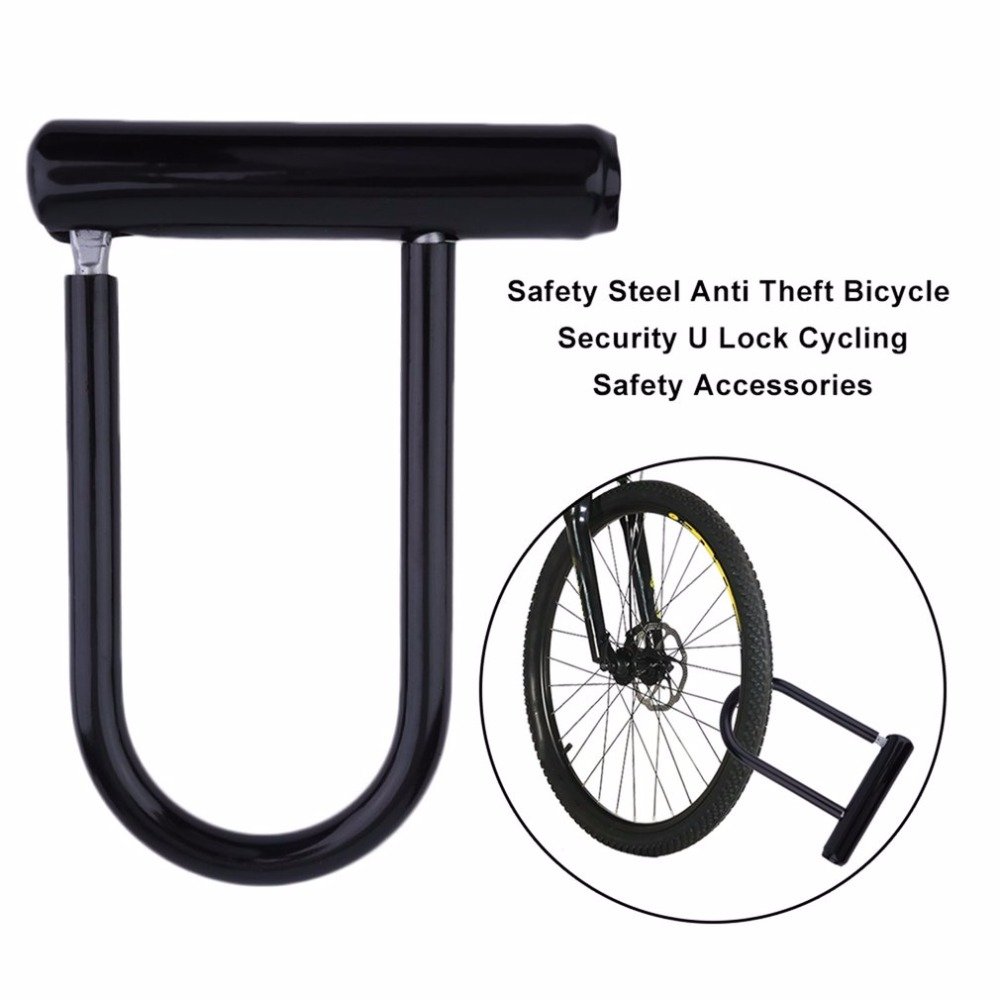
The evolution to combination U-locks addresses a universal cyclist frustration: keys. Losing a bike key can quickly turn a good day into a nightmare, often leaving your bike stranded. Combination U-locks eliminate this point of failure, allowing you to access your security with a simple, memorable numerical code. This keyless convenience is a game-changer, especially for daily commuters, families who share bikes, or anyone who appreciates a streamlined routine. The appeal is clear: robust physical security without the key conundrum.
Keyed vs. Combination U-Locks: Unpacking the Security Debate
It’s a common perception that combination locks are inherently less secure than their keyed counterparts. While it’s true that combination locks can theoretically be brute-forced by trying every possible code, the reality for a quality combination U-lock is far more reassuring. Most reputable combination U-locks feature at least four, and often five, dials. A four-digit combination offers 10,000 unique possibilities, while a five-digit combination provides 100,000. Trying every one of these combinations, even rapidly, would take a thief hours – a far cry from the seconds often required to defeat weaker lock types.
The critical factor in a U-lock’s security lies in the strength of its physical construction – the hardened steel shackle and robust crossbar – rather than solely the locking mechanism. Leading manufacturers engineer their combination U-locks with the same high-grade materials and anti-theft features as their keyed versions. This means that, in many real-world scenarios, a well-chosen combination U-lock can offer comparable physical resistance to cutting and prying attacks. The key (pun intended!) is to select a model with ample dials and a solid build that resists common manipulation techniques. The decision often boils down to personal preference: the absolute assurance of a unique key versus the ultimate convenience of going key-free.
Anatomy of a Secure Combination U-Lock: What to Look For
Choosing the best combination bike U-lock involves understanding the critical features that contribute to its overall security and usability.
Material and Shackle Thickness
This is arguably the most crucial aspect. Look for U-locks made from hardened steel. A shackle thickness of at least 12mm is a good starting point, with 13mm to 16mm offering significantly greater resistance to bolt cutters and other cutting tools. Thicker shackles, sometimes reaching 18mm or more, provide maximum protection against more aggressive attacks like hydraulic cutters or angle grinders, though they do add to the lock’s weight.
Locking Mechanism and Number of Dials
For combination U-locks, more dials generally mean more security. Aim for at least a four-digit combination, with five digits offering an even higher number of permutations. The dials should operate smoothly but with enough resistance to prevent accidental changes. A weather-resistant housing for the combination mechanism is also vital to prevent dirt, grime, and moisture from seizing the dials or making them difficult to turn, especially in varied climates.
Size and Portability
U-locks come in various sizes. The “right” size depends on how and where you typically lock your bike. A smaller, “mini” U-lock is more portable and harder for thieves to leverage, but it offers less space to secure your bike to immovable objects. A larger U-lock provides more versatility for locking around bulkier poles or securing both the frame and a wheel. Many U-locks include a mounting bracket, allowing you to attach it conveniently to your bike frame when not in use.
Additional Features
Consider U-locks with a silicone or rubber coating on the shackle. This protects your bike’s paint job from scratches and also makes the lock quieter when carried. Some advanced models may feature double-bolting mechanisms, where both ends of the shackle lock into the crossbar, providing enhanced resistance against twisting and prying attacks. Internal dust covers for the combination dials can further protect the mechanism from the elements.
Mastering Your Combination U-Lock: Usage Best Practices
Even the most robust combination U-lock is only as effective as its proper use. Here’s how to maximize your bike’s security.
How to Lock Your Bike Properly
The golden rule: always secure your bike’s frame to an immovable object. This could be a sturdy bike rack, a lamppost, or a signpost. If possible, thread the U-lock through the rear wheel and the seat tube (part of the frame) to the immovable object. This locks the frame and the rear wheel simultaneously, making it much harder for a thief to simply ride away or remove a valuable wheel. Ensure there’s minimal space within the U-lock’s opening to prevent thieves from inserting tools for leverage.
The Power of the Combo: U-Lock + Cable
For comprehensive protection, especially in higher-risk areas, pair your combination U-lock with a strong cable lock. Use the U-lock to secure the frame and rear wheel to an immovable object, then thread a separate steel cable through your front wheel and helmet, looping it back to be secured by the U-lock itself. This multi-layered approach deters thieves by increasing the time and tools required to make off with your entire bike or its valuable components.
Resetting Your Combination
Most combination U-locks come with factory-set codes that you can (and should!) customize. The process typically involves opening the lock, rotating a small internal piece, setting your new code, and then rotating the piece back. Always refer to your lock’s specific manufacturer instructions for accurate steps. It’s a good idea to reset your combination periodically, especially if you’ve shared it widely or suspect it might be compromised.
Maintenance Tips
To ensure your combination U-lock remains reliable, a little care goes a long way. Periodically clean the dials with a damp cloth to remove grit and dirt. For optimal performance, especially in colder or wetter climates, apply a silicone-based lubricant (avoid oil-based lubricants as they can attract dirt) to the moving parts of the combination mechanism a couple of times a year. This will keep the dials spinning freely and prevent corrosion.
Elevating Your Bike Security: Beyond the U-Lock
While a great combination U-lock is your primary defense, a holistic approach to bike security offers the best protection.
One crucial aspect is understanding security ratings. Independent organizations like Sold Secure (in the UK) or ART (in the Netherlands) rigorously test locks and provide ratings (e.g., Bronze, Silver, Gold, Diamond) based on their resistance to various attacks. Look for U-locks with a Sold Secure Gold or Diamond rating for high-risk areas, or at least Silver for moderate risk. These ratings provide an objective measure of a lock’s protective capabilities.
Consider layering security. As mentioned, combining a U-lock with a cable lock is a simple yet effective strategy. For quick-release wheels and seatposts, invest in locking skewers or anti-theft nuts that replace standard quick-release mechanisms, requiring a special key to remove. This prevents opportunistic component theft. Furthermore, smart trackers, often discreetly hidden within bike components, can help recover a stolen bike if the worst happens.
Finally, choosing your parking spot wisely is paramount. Always lock your bike in well-lit, high-traffic areas where there are plenty of witnesses. Avoid isolated spots, even if they seem convenient. The more visible your bike and its locks are, the less appealing it becomes to a thief looking for an easy target.
Expert Insight: A Word on Urban Bike Security
“In the bustling rhythm of city life, convenience often takes precedence, and that’s where the combination U-lock shines,” shares Marcus Thorne, a seasoned urban cyclist and bike security consultant with over two decades of experience navigating city streets. “Many cyclists underestimate the deterrent power of a robust combination U-lock, especially one with four or five dials. While a keyed lock offers a different kind of reassurance, the keyless freedom means you’re more likely to use it consistently, which is the ultimate key to bike security.”
Frequently Asked Questions About Combination Bike U-Locks
Are combination U-locks hackable?
While any lock can be defeated with enough time, skill, and specialized tools, a quality combination U-lock with 4 or 5 dials is highly resistant to brute-force guessing and basic manipulation techniques. They are generally considered secure for most urban environments.
How many digits are best for a combination U-lock?
For optimal security, a combination U-lock with at least four digits is recommended, offering 10,000 possible combinations. Five-digit locks provide even greater protection with 100,000 combinations, making them significantly harder to crack.
Can I use a combination U-lock for overnight security?
For overnight security in high-risk areas, it’s generally advisable to use the highest security rated lock possible, ideally a Sold Secure Gold or Diamond U-lock, and to combine it with other security measures. While a good combination U-lock can offer substantial protection, always assess the risk level of your parking location.
How do I care for my combination U-lock in bad weather?
Regularly wipe down the dials to prevent dirt buildup. In wet or cold conditions, apply a silicone-based lubricant to the combination mechanism a few times a year to ensure smooth operation and prevent corrosion or freezing.
What’s the ideal size for a bike U-lock?
The ideal size depends on your bike and typical locking situations. A smaller U-lock (often called a mini U-lock) is more portable and harder to leverage, best for locking a frame to a slim pole. A larger U-lock offers more flexibility for securing both the frame and a wheel to bulkier objects. Choose a size that allows minimal free space when locked.
The Ultimate Ride: Secure and Free
Embracing the best combination bike U-lock is more than just buying a piece of hardware; it’s an investment in peace of mind. The convenience of a keyless system, combined with the formidable strength of hardened steel, offers a compelling solution for keeping your bike safe. By choosing a high-quality lock, mastering proper locking techniques, and layering your security, you empower yourself to enjoy every ride, knowing your bike is protected. So, go ahead, choose wisely, and hit the road – your adventure awaits, secure and free.