Let’s face it: losing your beloved bicycle to theft is a gut punch, a feeling no rider ever wants to experience. With over 2 million bicycles snatched each year in the US alone, a reliable bike lock isn’t just an accessory; it’s a non-negotiable safeguard. Among the myriad options, the U-lock has long stood as the gold standard, offering a formidable barrier against would-be thieves. But with so many choices, how do you pick the best U-lock bike lock to truly protect your ride? Don’t sweat it – we’re here to break down everything you need to know.
Why a U-Lock is Your Bike’s Best Friend: A Legacy of Security
The U-lock, sometimes called a D-lock, emerged in the 1970s and quickly revolutionized bicycle security. Its simple yet incredibly robust design—a hardened steel shackle connecting to a crossbar—offered superior protection compared to earlier chain or cable locks, at a fraction of the weight. This innovation cemented its place as the cornerstone of bike security for urban commuters and avid cyclists alike.
In a world where bike theft is a constant threat, U-locks provide a crucial deterrent. Their inherent rigidity and resistance to common cutting tools make them exceptionally difficult for opportunistic thieves to defeat quickly. It’s not just about locking your bike; it’s about making it too much trouble for anyone but the most determined, well-equipped professional.
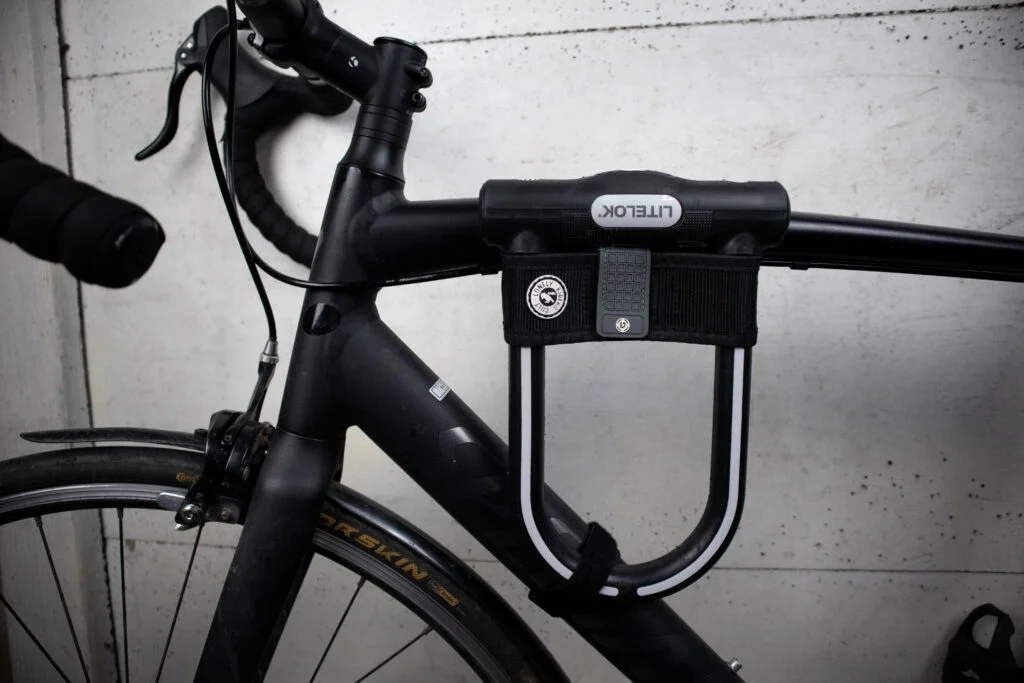
Anatomy of a Fortress: What Makes a U-Lock Stand Out
When you’re looking for the best U-lock bike lock, understanding its components and the qualities that contribute to its strength is key. Think of it like building a fortress around your two-wheeled companion.
The Shackle: Your First Line of Defense
The U-lock’s shackle is its most defining feature and arguably its most critical. Crafted from hardened steel, its thickness dictates its resistance to various attack methods. While a 13mm shackle can deter most bolt cutters, the true titans boast 16mm, 17mm, or even 32mm shackles, making them virtually impervious to manual cutting tools.
In today’s landscape, angle grinders are a growing concern for bike owners. This has led to an evolution in U-lock technology, with some top-tier models incorporating specialized materials like ceramic composites or graphene-infused steel in their shackles. These advanced materials are designed not just to resist cutting, but to actively destroy angle grinder discs, significantly slowing down thieves and often forcing them to abandon the attempt altogether.
The Crossbar and Locking Mechanism: The Brains Behind the Brawn
The crossbar is where the shackle locks into place. High-quality U-locks often feature a “double deadbolt” locking mechanism, meaning the shackle locks on both sides into the crossbar. This is a critical security feature because it requires a thief to make two cuts to defeat the lock, rather than just one. This dramatically increases the time and effort required for a successful theft, often acting as a powerful deterrent against leverage attacks where thieves might try to twist the lock open.
The locking cylinder itself is another vital component. Look for mechanisms that are pick- and drill-resistant. Many high-security U-locks use disc detainer keys, which are notoriously difficult for even experienced lock pickers to manipulate. A sliding protective cover over the keyhole also helps keep the mechanism free from dirt and moisture, prolonging the lock’s life and ensuring smooth operation.
Protective Coatings: More Than Just Good Looks
Many U-locks come encased in plastic or rubber coatings. While they add a sleek finish, their primary purpose is practical: to prevent the hardened steel from scratching your bike’s frame and to reduce rattling while you ride. These coatings can also add a layer of weather resistance, protecting the lock’s internal mechanisms from corrosion.
Sizes and Shapes: Fitting Your Needs
U-locks come in various sizes, from compact “mini” locks to larger “standard” and “medium” options. The internal dimensions—both width and height—are crucial. A smaller U-lock means less internal space, which can be an advantage as it leaves less room for thieves to insert leverage tools like crowbars or hydraulic jacks. However, a smaller lock also limits what you can secure your bike to. It’s a delicate balance between maximizing security through minimal space and ensuring you can actually lock your bike to common fixtures like bike racks or lampposts.
Top Contenders in the U-Lock Arena: What to Look For
When seeking the best U-lock bike lock, you’ll encounter an array of robust options. Many leading brands have dedicated extensive research to combat evolving theft techniques, particularly the rise of angle grinder attacks. The most secure U-locks on the market today often incorporate cutting-edge materials and designs.
You’ll find top-tier U-locks featuring shackle thicknesses ranging from 13mm to over 16mm, crafted from hardened steel alloys that offer extreme resistance to bolt cutters and other manual tools. For ultimate protection, especially in high-theft urban environments, look for U-locks specifically designed with angle grinder resistance. These locks use proprietary technologies, such as the Barronium composite armor found in some Litelok models or the graphene composite steel in Hiplok locks, which are engineered to wear down or destroy cutting discs, significantly extending attack times.
Independent security ratings, like those from Sold Secure (UK) or ART (Europe), are your best friend here. A Sold Secure Diamond rating is the highest achievable for bicycles and indicates that a lock has withstood rigorous attacks, including angle grinders, for a significant duration. Gold-rated locks also provide excellent protection against dedicated thieves, while Silver and Bronze offer progressively lower, but still valuable, levels of security for different risk scenarios. Brands like Litelok, Hiplok, Kryptonite (especially their New York series), Abus (Granit series), and OnGuard (Brute series) consistently appear on lists of top-rated, high-security U-locks due to their advanced features and proven performance.
Mastering the Art of Locking: Using Your U-Lock Effectively
Even the toughest U-lock is only as good as your locking technique. A common mistake cyclists make is having a great lock but using it improperly, leaving vulnerabilities for thieves to exploit.
Step-by-Step Locking Guide
- Choose Your Anchor Wisely: This is paramount. Always secure your bike to a solid, immovable object that cannot be easily cut, broken, or lifted. Think sturdy metal bike racks firmly bolted into the ground, thick lampposts, or reinforced railings. Avoid flimsy signposts, small trees, or chain-link fences, as these can be quickly defeated.
- The “Sheldon Brown” Method for Maximum Security: For optimal protection, thread your U-lock through your bike’s rear wheel and the main frame triangle (specifically, around the seat stay or chain stay, inside the rear triangle), then around your chosen immovable object. This technique secures both your frame and your rear wheel, which are often the most valuable parts.
- Minimize the Gap: A key to U-lock effectiveness is to leave as little internal space as possible within the shackle once it’s locked. A snug fit makes it incredibly difficult for thieves to insert leverage tools like crowbars or jacks. If there’s a large gap, your U-lock might be too big for the job—consider a smaller one or try to fill the space by including a pedal or part of the bike rack.
- Keep It Off the Ground: Position your U-lock high off the ground, ideally 2-3 feet up. This prevents thieves from using the ground as leverage to smash or pry the lock open. The ground provides a sturdy base, making their job much easier.
- Keyhole Downward: As a small but effective precaution, aim the lock’s keyhole or locking mechanism facing downwards toward the ground. This makes it harder for someone to tamper with the mechanism or attempt lock picking without drawing attention.
Common Mistakes Cyclists Make (and How to Avoid Them)
- Locking Only a Wheel: This is perhaps the most frequent and easily exploitable error. If you only lock your front or rear wheel, a thief can simply remove the wheel and walk away with the rest of your bike, leaving you with just a wheel and a locked U-lock. Always prioritize securing the frame.
- Using a Flimsy Anchor: As mentioned, securing your high-security U-lock to something that can be easily cut or removed (like a thin fence, a small tree, or an unbolted signpost) renders your expensive lock useless.
- Leaving Too Much Space: A loose U-lock invites leverage attacks. Always strive for a tight fit between your bike, the anchor, and the lock.
- Underestimating Sophisticated Thieves: While most casual thieves are deterred by a good U-lock, professional rings exist. If you own a high-value bike, understand that “good enough” might not always be enough, and consider advanced strategies.
Elevating Your Bike Security: Advanced Strategies
For ultimate peace of mind, especially with valuable bikes or in high-risk areas, consider layering your security.
The Two-Lock Tactic: Double Down on Deterrence
One of the most effective strategies is combining your U-lock with a secondary lock. Use your robust U-lock to secure the frame and rear wheel to an immovable object. Then, use a high-quality cable lock or a second, lighter U-lock to secure the front wheel and potentially your seat or other quick-release components. This “two-lock” approach makes your bike a much less appealing target, as thieves would need different tools and more time to defeat both locks.
Beyond the Lock: Smart Habits for Peace of Mind
- Park in Visible, Well-Lit Areas: Thieves prefer solitude and darkness. Choose busy, well-lit spots with plenty of foot traffic, where they’re more likely to be seen or interrupted.
- Vary Your Parking Spots: If you regularly park your bike in the same location, try to mix it up. Predictable routines can allow thieves to observe your habits and plan an attack.
- Remove Quick-Release Components: If you don’t use a secondary lock for your wheels or seat post, consider taking them with you. Quick-release wheels and seats are common targets for opportunistic thieves.
- Register Your Bike: Registering your bike with a local or national database (like Bike Index) can help authorities identify and return it if it’s stolen. It also makes it harder for thieves to resell registered bikes.
Choosing Your Champion: Factors to Consider When Buying
Selecting the best U-lock bike lock is a personal decision, but these factors will guide you toward the right choice.
Security Level vs. Theft Risk
Your environment dictates the level of security you need.
- High-Risk Areas: If you live or frequently park in urban centers with high bike theft rates, or if you leave your bike unattended overnight, a Sold Secure Diamond-rated U-lock with angle grinder resistance is a must-have. These locks are often heavier and more expensive but offer unparalleled protection.
- Moderate-Risk Areas: For daily commuting in moderately risky areas, a Sold Secure Gold-rated U-lock generally provides an excellent balance of security and practicality.
- Low-Risk Areas: For quick stops in low-crime suburban or rural areas, a Sold Secure Silver or even Bronze U-lock might suffice, especially if combined with smart locking practices.
Portability and Convenience
There’s often a trade-off between security and weight. Heavier, more secure locks can be less convenient to carry.
- Weight: Consider how you’ll transport your lock. Will it go in a backpack, a pannier, or on your bike frame? If you’re sensitive to weight, a lighter, still secure option might be preferable for shorter trips, though it may offer slightly less resistance.
- Mounting Options: Many U-locks come with frame mounts, allowing you to attach them directly to your bike. Assess the quality and stability of these mounts, as poorly designed ones can rattle or even fail during rides. Some smaller U-locks, like the Hiplok DX, come with integrated belt clips for easy, wearable transport.
- Ease of Use: While some high-security locks can have complex mechanisms, a straightforward locking and unlocking process is important for daily use. Decide if you prefer a traditional keyed lock or a combination lock (though keyed locks are generally more secure).
Expert Insight
“As a seasoned cycling security specialist, I always tell riders, ‘The best U-lock isn’t just about its strength; it’s about how consistently and correctly you use it. A top-tier lock used poorly is no better than a weak one.'” – Dr. Amelia Lockett, Urban Cycling Security Analyst
Frequently Asked Questions (FAQ)
Q: Can any U-lock be broken?
A: Realistically, no lock is 100% unbreakable given enough time, the right tools, and determined thieves. However, the best U-lock bike locks are designed to be extremely difficult and time-consuming to defeat, effectively deterring the vast majority of theft attempts. Locks with angle grinder resistance can significantly extend the time needed for a thief.
Q: What is a Sold Secure rating?
A: Sold Secure is an independent, non-profit organization based in the UK that tests and certifies security products, including bike locks. They rate locks as Bronze, Silver, Gold, or Diamond, with Diamond being the highest level of security, indicating superior resistance to various attack methods, including angle grinders. These ratings provide a reliable, objective measure of a lock’s protective capabilities.
Q: Should I use a U-lock with a cable lock?
A: Yes, using a U-lock for your frame and rear wheel, combined with a separate cable lock for your front wheel and accessories, is a highly recommended “two-lock” strategy. While cable locks offer less security on their own (they can be cut easily), they add a crucial layer of protection for easily removed components and make your bike a less attractive target overall.
Q: How thick should a U-lock shackle be?
A: For good security against bolt cutters, look for a shackle thickness of at least 13mm. For higher security, especially against larger bolt cutters or to significantly slow down angle grinder attacks, shackles of 16mm, 17mm, or more are preferred. Thicker hardened steel shackles are generally more resistant to cutting and prying.
Q: Where should I position my U-lock on the bike?
A: The most effective position is to secure the U-lock through the rear wheel (inside the rear triangle) and the bike’s frame, directly to a fixed, immovable object like a bike rack or lamppost. Ensure there is minimal space inside the U-lock’s shackle, keep it off the ground, and position the keyhole downwards to maximize its protective capabilities.
Conclusion
Choosing the best U-lock bike lock is a critical investment in protecting your ride and your peace of mind. While no lock is impregnable, understanding the features that provide robust security—like hardened steel shackles, double deadbolt mechanisms, and angle grinder resistance—empowers you to make an informed decision. Combine a top-tier U-lock with smart locking techniques, such as securing both your frame and a wheel to an immovable object with minimal slack, and you’ll significantly deter thieves. Ride safe, lock smart, and enjoy the open road knowing your bicycle is well-protected.