Let’s face it, carrying a U-lock can feel like a bit of a juggling act. These robust guardians of our beloved bicycles are essential for security, but their bulk and weight often leave us scratching our heads about the best way to transport them. Nobody wants a rattling lock clanging against their frame or digging into their back during a ride. Getting it right isn’t just about convenience; it’s about protecting your bike from scratches, preventing distractions, and ensuring your lock is there when you need it most. This guide will walk you through all the smart ways to secure your U-lock to your bike, making your commute or leisure ride smooth and worry-free.
Understanding U-Lock Carrying Solutions
Before we dive into the nitty-gritty of mounting a U-lock on a bike, let’s explore the main categories of carrying solutions out there. Each comes with its own set of perks and quirks, designed to fit different bikes, preferences, and riding styles. The U-lock’s long history as a formidable deterrent against theft means innovations in carrying it have evolved, from simple frame attachments to specialized bags and wearable options. The goal is always the same: keep your lock secure and out of the way until it’s time to protect your ride.
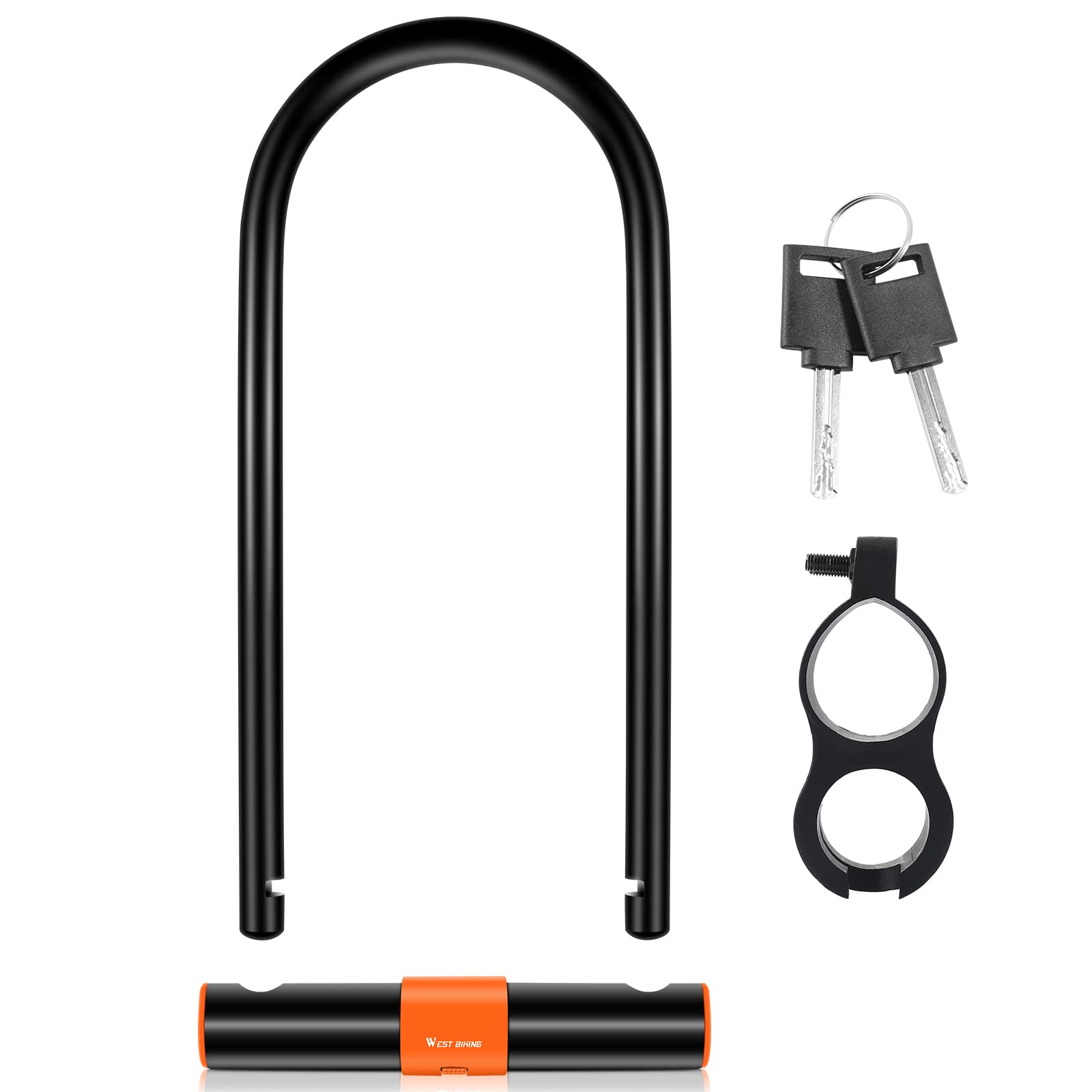
Frame-Mounted Brackets: The Classic Approach
Most U-locks you buy, especially from major brands, come with a plastic or composite bracket designed to attach directly to your bike frame. These brackets are often the first solution cyclists consider for mounting a U-lock on a bike. They offer a dedicated spot, aiming to keep your lock stable and easily accessible.
On Your Rack or in a Basket: Cargo-Friendly Options
If your bike is equipped with a rear rack, front basket, or panniers, you’ve got some versatile options. These setups shift the weight of your lock off your frame or body, distributing it for a more balanced ride.
Body-Worn Solutions: Keeping It Close
For those who prefer a minimalist bike frame, or perhaps don’t have space for a mount, carrying your U-lock on your person is another viable method. This can range from specific wearable locks to clever holsters.
Backpacks and Bags: The Ever-Reliable Carry-All
The trusty backpack or messenger bag remains a popular choice for many cyclists. It’s convenient for carrying other essentials, and often, there’s just enough room for your lock too.
A Deep Dive into Frame Bracket Mounting
Frame brackets are, for many, the go-to choice for mounting a U-lock on a bike. They offer a clean look and keep the lock off your body. But getting it right means understanding the types and proper installation.
Types of Frame Mounts
You’ll generally encounter two main types:
- Manufacturer-supplied mounts: These are custom-designed for a specific U-lock model and often use straps or clamps to secure to various frame tubes. The Kryptonite Transit FlexFrame-U mount is a well-known example, though some cyclists report issues with its stability.
- Universal mounts: These third-party solutions, like the Huldit Bike Lock Holder, are designed to accommodate a wider range of U-lock sizes and frame types, often offering improved reliability and versatility. They might use adjustable straps, Velcro, or even bolt-on designs for a super secure fit.
How to Mount a U-Lock on Your Bike Using a Frame Bracket (Step-by-Step)
Attaching your U-lock to your bike frame successfully is all about careful placement and secure fastening. Here’s how to ensure your Mounting U Lock On Bike is stable and doesn’t interfere with your ride:
- Choosing the Right Spot:
- Seat Tube: This is a common and often ideal location, usually providing good clearance from your legs while pedaling.
- Down Tube: Another good option, particularly for smaller locks or if your seat tube is already occupied.
- Top Tube: Less common, as it can interfere with straddling the bike or carrying a frame bag.
- Seat Stays/Fork: Less frequently used due to stability concerns or interference with other components.
- Consider your frame size: On smaller frames, fitting a U-lock inside the main triangle can be tricky or impossible. You might need to experiment with angling the lock or choosing an external mount.
- Preparing the Frame:
- Clean the Area: Wipe down the section of your frame where the mount will attach. This helps ensure a good grip and prevents dirt from scratching your paint.
- Protect Your Paint: Many mounts come with rubberized contact surfaces or anti-slip pads. If not, consider using a piece of old inner tube or frame protector tape where the mount touches the frame to prevent scratches and slippage.
- Attaching the Bracket Securely:
- Follow Instructions: Always refer to the specific installation instructions that came with your U-lock or third-party mount.
- Position the Mount: Place the bracket in your chosen spot. Ensure it’s not obstructing bottle cages, cable runs, or your pedaling motion. For optimal clearance, try mounting the lock on the left side, angled behind the seat tube.
- Tighten Firmly: Whether it uses straps, bolts, or clamps, tighten the mount securely. You want it snug enough to prevent movement and rattling, but not so tight that it damages your frame. If using screws, an Allen key is usually provided or needed. Some mounts allow for rotation to perfectly align the lock with your frame geometry.
- Inserting the U-Lock:
- Once the bracket is firmly in place, slide or clip your U-lock into its designated holder. It should fit snugly without excessive play.
- Testing for Stability:
- Before riding, give your bike a gentle shake and ride it around for a short distance. Listen for rattles and check if the lock stays firmly in place. Adjust as needed. If the lock is difficult to insert or remove, a little silicone grease on the bracket mechanism can help.
Common Challenges & Troubleshooting
Even with the best intentions, frame mounting can sometimes present hurdles. Here’s how to tackle them:
Rattling and Instability
This is a frequent complaint with many frame mounts, especially those that are poorly designed or improperly installed.
- Solution: Ensure all straps and bolts are tightened firmly. Add extra padding, like electrical tape or a thin piece of rubber, between the lock and the bracket, or between the bracket and the frame, to absorb vibrations. Third-party mounts like the Huldit are specifically designed to minimize rattling.
Interference with Pedaling or Cables
A badly placed mount can hit your leg or rub against gear/brake cables.
- Solution: Re-adjust the mount’s position. Try moving it slightly higher or lower on the tube, or experimenting with different angles. Be mindful of cable runs; clamping over them can impair shifting performance.
Frame Compatibility (Carbon Frames, Small Frames)
Not all mounts play nicely with all bikes.
- Carbon Frames: Be extra cautious with carbon fiber frames. The compression from tight clamps can potentially weaken the frame over time. Consider alternative carrying methods or specific mounts designed for carbon frames.
- Small Frames: On bikes with limited frame space, the U-lock might not fit inside the main triangle.
- Solution: Look for smaller “mini” U-locks that might fit. Explore mounting options outside the main triangle, like behind the seat tube, or consider carrying the lock in a bag or on a rack.
Mounts Breaking or Loosening
Some stock plastic mounts are notorious for their lack of durability. Over time, vibrations and road bumps can cause them to break or lose their grip.
- Solution: If your stock mount fails, don’t despair! Invest in a high-quality third-party mount like the Huldit or a universal clamp-on solution that can accommodate your U-lock. Many cyclists report significant improvement with these aftermarket options.
Alternative Ways to Carry Your U-Lock
Sometimes, a frame mount just isn’t the right fit. Luckily, the world of cycling offers plenty of other clever ways to transport your U-lock.
On Your Bike Rack or in a Basket
If your bike has a rear rack, a front rack, or a basket, you have excellent options for carrying your U-lock without cluttering your frame.
Securing with Bungee Cords or Straps
A simple yet effective method is to lay your U-lock on top of your rear rack and secure it firmly with bungee cords or reusable fastening straps.
- Pros: Inexpensive, versatile, and keeps the lock off your frame.
- Cons: Can still rattle if not secured tightly enough, and the rack might be needed for other cargo. Ensure the cords are tight to prevent noise and potential damage to the lock itself over bumpy terrain.
Using Specialized Rack Attachments
Some rear racks, like the Tubus Lock rack, come with integrated brackets specifically designed to hold certain U-locks between the rack and the rear wheel. This provides a very secure and low-profile solution.
- Pros: Very stable, dedicated storage.
- Cons: Rack-specific, may limit rack functionality, and some models might be discontinued.
Considerations for Weight Distribution
When carrying a heavy U-lock in a pannier or basket, try to balance the weight. Uneven distribution can affect your bike’s handling, especially during turns or at higher speeds. If using only one pannier, ensure the lock’s weight isn’t drastically pulling one side of your bike.
Wearing It on Your Body
For a truly minimalist bike, or if you simply prefer your lock to be with you, wearable options are gaining popularity.
Belt Holsters and Clips
Some U-locks, particularly smaller “mini” versions, are designed with clips that let you attach them directly to your belt or waistband. Third-party hip holsters, like those from Fabric Horse or Oopsmark, provide a dedicated, comfortable way to carry your lock on your body.
- Pros: Keeps the bike frame free, quick access, compatible with any bike.
- Cons: Can feel bulky or heavy, especially with larger locks. May cause pants to sag or be uncomfortable on longer rides.
Wearable U-Locks
Innovative brands like Hiplok offer U-locks that are specifically designed to be worn around your waist like a belt, often with a padded, adjustable strap for comfort.
- Pros: Extremely convenient, eliminates the need for frame mounts or bags, often designed with safety in mind.
- Cons: Can be heavier than other locks, may still feel bulky for some, and the fit is crucial for comfort.
In a Backpack or Bag
This is perhaps the most straightforward method, especially for commuters who already carry a bag.
Convenience vs. Weight and Grime
- Convenience: Just drop it in and go. Most U-locks fit easily into a backpack or messenger bag.
- Weight: Be mindful of the lock’s weight, as carrying a heavy lock on your back can lead to discomfort, shoulder strain, or a sweaty back on longer rides.
- Grime: U-locks can get wet and dirty, potentially transferring grime or chain grease to other items in your bag.
- Tip: Keep your U-lock in a separate plastic bag or a dedicated sleeve within your backpack to protect your other belongings.
Choosing the Best Mounting Solution for Your Ride
Finding the perfect spot for your U-lock is a personal journey, influenced by several factors. There’s no single “best” way, but rather the best way for you.
Factors to Consider:
- Bike Type & Frame Material: Mountain bikes, road bikes, and e-bikes often have different frame geometries and clearances. Carbon frames might require more gentle mounting solutions to prevent damage.
- U-Lock Size and Weight: Larger, heavier locks are harder to mount inconspicuously and securely. Mini U-locks offer more flexibility.
- Commute Style & Ride Length: Short urban commutes might prioritize quick access, while longer leisure rides might focus more on comfort and stability.
- Personal Preference: Do you prefer your bike frame clean, or do you not mind a mount? Is carrying weight on your body acceptable?
- Other Accessories: Bottle cages, frame bags, or tool kits can all influence available space for a U-lock mount.
Ultimately, it’s about balancing security, convenience, and comfort. A well-mounted lock should be easily accessible, stable during your ride, and not interfere with your bike’s functionality or your enjoyment.
Advanced Tips for U-Lock Transport Mastery
To truly master the art of mounting a U-lock on a bike, consider these advanced strategies:
- Preventing Rattles and Paint Damage: Even with a good mount, minor rattles can occur. Small adhesive felt pads or strips of electrical tape applied strategically to contact points on the lock or mount can silence them. Always use rubber shims or frame protection where the mount touches your bike’s paint.
- Quick Access Strategies: Practice removing and re-attaching your lock. The faster you can do it, the less hassle you’ll experience when locking up, especially in busy urban environments. Position your mount for easy reach without obstructing your ride.
- Combining Mounting Methods for Optimal Security: For enhanced security, you might carry a U-lock on your frame for primary locking and a lightweight cable lock (perhaps coiled around the U-lock or in a small saddlebag) to secure quick-release wheels or accessories. This offers both robust protection and adaptability.
Expert Insights on U-Lock Portability
“The biggest mistake I see cyclists make is underestimating the importance of how they carry their U-lock,” shares Dr. Eleanor Vance, a Cycling Safety Analyst. “A U-lock is only effective if you actually use it, and you’ll only use it consistently if it’s easy and comfortable to transport. Investing in a quality mount or a carrying solution that genuinely suits your riding habits makes all the difference in maintaining consistent bike security. Don’t compromise comfort for security; find a way to have both.”
FAQ: Your Top Questions About Mounting U-Locks Answered
Q: Can I mount any U-lock to my bike?
A: While many U-locks come with their own frame mounts, not all are universally compatible with every bike frame. Factors like frame shape, tube diameter, and the presence of other accessories can limit options. However, there are universal third-party mounts designed to work with a wide range of U-locks and bike frames.
Q: How do I stop my U-lock from rattling?
A: Rattling is a common issue! Ensure your mount is tightened securely to the frame. Add rubber shims, electrical tape, or even a small piece of old inner tube at contact points between the lock and the mount, or the mount and the frame. Some high-quality aftermarket mounts are specifically designed with anti-rattle features.
Q: Is it safe to mount a U-lock on a carbon frame?
A: You should exercise caution when mounting a U-lock on a bike with a carbon fiber frame. Excessive clamping pressure can potentially weaken the carbon. It’s often safer to use a rack, bag, or a body-worn solution, or choose a mount specifically designed for carbon frames that distributes pressure evenly. Always consult your bike manufacturer’s recommendations.
Q: What if my bike frame is too small for a mount?
A: For small frames where a U-lock doesn’t fit in the main triangle, consider a “mini” U-lock, which takes up less space. Alternatively, explore carrying your lock on a rear rack, in a basket, in a backpack, or using a body-worn holster.
Q: Are third-party mounts better than manufacturer ones?
A: Often, yes. While manufacturer-supplied mounts are convenient, many cyclists report that they can be flimsy, prone to rattling, or less durable. Third-party mounts, like the Huldit, often address these issues with more robust designs, better anti-rattle features, and broader compatibility, making them a worthwhile upgrade.
Conclusion
Successfully mounting a U-lock on a bike transforms it from a burdensome security tool into a seamless part of your cycling experience. Whether you opt for a sturdy frame bracket, a versatile rack solution, or a comfortable body-worn holster, the key is to prioritize stability, accessibility, and the protection of your bike’s finish. Don’t let the thought of awkwardly carrying your U-lock deter you from securing your ride. Experiment with the various methods, find what works best for your bike and lifestyle, and enjoy the peace of mind that comes with knowing your lock is always right where you need it, ready to keep your bicycle safe.