Riding a bike offers unparalleled freedom, a refreshing breeze, and a fantastic way to navigate your city. But for many cyclists, that sense of liberation is often accompanied by a nagging worry: the safety of their beloved two-wheeled companion. Bike theft is a harsh reality, and knowing your ride is secure is paramount. That’s where the trusty U Bar Bike Lock rolls in as a champion.
Often hailed as the gold standard in bicycle security, the u bar bike lock, sometimes known as a D-lock, is a robust, rigid barrier designed to deter even the most determined thieves. Forget flimsy cables; this is serious protection. Let’s dive deep into why this seemingly simple piece of hardened steel remains a top choice for cyclists worldwide, how to use it like a pro, and what to look for when choosing the perfect one for your prized possession.
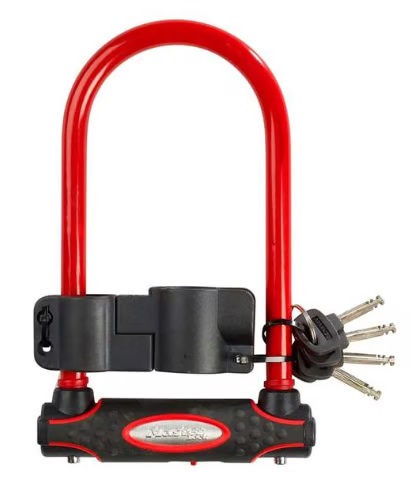
The Unyielding History and Enduring Importance of the U-Bar Lock
The concept of a rigid, shackle-style lock isn’t new, but its application to bicycle security truly revolutionized how riders protect their bikes. Before the widespread adoption of U-locks, cyclists often relied on chains and padlocks, which, while effective to a degree, could be cumbersome and vulnerable to specialized cutting tools. The u bar bike lock emerged as a more compact, more resilient alternative. Its distinct “U” shape, crafted from hardened steel, proved incredibly resistant to common theft techniques like bolt cutters and prying attempts.
In a world where bike theft continues to evolve, the u bar bike lock’s fundamental design has stood the test of time, becoming an indispensable tool for urban commuters, casual riders, and serious enthusiasts alike. It’s not just a lock; it’s a statement that your bike isn’t an easy target.
Anatomy of an Indestructible Ally: Construction and Popular Types
At its core, a u bar bike lock consists of two main parts: a solid, U-shaped shackle (the “bar”) and a detachable crossbar that secures the open ends of the “U,” forming a complete loop. This design, often made from case-hardened steel, is what gives it its formidable strength.
Key Features that Make a U-Bar Lock a Powerhouse:
- Hardened Steel Construction: This is non-negotiable. Quality U-locks use hardened steel that resists most hand tools, including hacksaws and bolt cutters.
- Shackle Thickness: A thicker shackle means more material for a thief to contend with. Locks with diameters between 13mm and 15mm are generally considered very secure, offering strong resistance against larger bolt cutters.
- Dual-Locking Mechanism: Many premium U-locks feature a double deadbolt design, meaning the crossbar locks into both ends of the shackle. This is a game-changer, as it requires a thief to make two cuts to defeat the lock, effectively doubling their effort and time—a major deterrent.
- Weather Resistance: Good U-locks often have protective coatings or keyhole covers to prevent rust, corrosion, and freezing in harsh weather, ensuring smooth operation year-round.
- Mounting Brackets: Many U-locks come with brackets that allow you to conveniently attach the lock to your bike frame while riding, keeping it out of your backpack and easily accessible.
Popular U-Bar Lock Types and What They Offer:
- Standard U-Locks: The classic design, offering a good balance of security and versatility. Available in various sizes.
- Mini U-Locks: Smaller and lighter, these are great for minimalist riders or when you need a very tight fit around your bike frame and an anchor point, leaving little room for prying tools. Their compact size makes them less versatile for wide objects.
- Integrated Cable U-Locks: Some U-locks come with a secondary cable, which can be looped through your front wheel or seat to secure additional components. While the cable itself isn’t as secure as the U-lock, it adds an extra layer of deterrence for easily removable parts.
How to Deploy Your Defense: A Detailed Guide to Using and Choosing a U-Bar Lock
Having a top-tier u bar bike lock is only half the battle; knowing how to use it correctly is what truly safeguards your ride. A poorly locked bike, even with the best lock, is an open invitation for thieves.
Mastering the Art of Locking Your Bike with a U-Bar Lock
Here’s how to maximize your u bar bike lock’s protective power:
- Prioritize the Frame and Rear Wheel: The most crucial rule is to always lock your bike’s frame to an immovable object. If possible, include the rear wheel within the U-lock as well. The rear wheel is often the most expensive component after the frame, and locking it with the frame makes it significantly harder for a thief to simply walk away with your bike.
- Expert Insight from Lena Petrova, Urban Cycling Security Analyst: “Many cyclists make the mistake of just locking the front wheel. That’s like locking your front door but leaving your back door wide open. Always secure the frame, and ideally, the rear wheel, to truly protect your investment.”
- Choose a Solid Anchor Point: This sounds obvious, but it’s often overlooked. Lock your bike to something that is:
- Immovable: A dedicated bike rack, a sturdy lamppost, or a properly anchored signpost. Avoid anything that can be easily cut, lifted, or dismantled (e.g., thin fences, small trees, signposts that can be lifted out of the ground).
- Securely Fixed: Give it a good tug. If it wobbles, find something sturdier.
- Thicker than your U-lock: Prevents thieves from slipping tools inside the gap.
- Minimize the Gap: The less space inside your U-lock, the better. A tight fit between your bike, the anchor point, and the shackle leaves minimal room for thieves to insert leverage tools like crowbars or car jacks, which they might use to pry the lock open.
- Keep the Lock Off the Ground: Position your U-lock as high as possible, away from the ground. Thieves can use the ground as leverage to smash or pry the lock open. Elevating it denies them this easy advantage.
- Consider the “Sheldon Brown Method” (for smaller U-locks): This technique involves placing a small U-lock through the rear wheel inside the rear triangle (between the seat stay and chainstay) and around the immovable object. The theory is that if a thief cuts the U-lock, they’d also have to destroy your rear wheel to get the bike, making it a less appealing target.
- Use Two Locks (The Layered Defense): For high-theft areas or expensive bikes, a single u bar bike lock, no matter how good, might not be enough. Pair it with a secondary lock, like a sturdy chain or cable, to secure the front wheel, seat, or other quick-release components. This creates multiple layers of defense, making your bike a much less attractive target.
- Park Smart: Always choose well-lit, busy areas where your bike is highly visible. Thieves prefer to work in the shadows. Locations with security cameras or high foot traffic can also act as powerful deterrents.
Selecting the Perfect U-Bar Lock: What to Look For
Choosing the right u bar bike lock depends on your specific needs, the value of your bike, and the theft risk of your environment.
- Security Rating: Look for independent security certifications like Sold Secure (Bronze, Silver, Gold, Diamond) or ART ratings (1-5 stars). These organizations rigorously test locks against various attack methods. For urban areas or longer parking periods, aim for a Sold Secure Gold or Diamond rating. Diamond-rated locks specifically resist angle grinder attacks for extended periods.
- Shackle Material and Thickness: As mentioned, hardened steel is essential. Thicker shackles (13mm-18mm+) provide superior resistance.
- Size Matters:
- Small U-locks: Offer maximum leverage protection due to their tight fit, but limit what you can lock to. Ideal for securing frame and rear wheel to a standard bike rack.
- Medium to Large U-locks: Provide more versatility, allowing you to secure to a wider range of objects and potentially both wheels along with the frame. However, they can also leave more internal space, which you must minimize.
- Weight and Portability: Highly secure locks are often heavier. Consider how you’ll carry it. Many come with frame mounts, but some riders prefer stashing it in a backpack or pannier. Remember, the best lock is the one you’ll actually use!
- Locking Mechanism (Key vs. Combination): Both have pros and cons. Keyed locks are generally considered more secure, especially those with unique, non-tubular keys. Combination locks offer convenience (no keys to lose) but can sometimes be more vulnerable if the mechanism is poor.
- Brand Reputation: Stick with reputable brands known for quality and security, such as Kryptonite, ABUS, OnGuard, and LITELOK. These brands often offer anti-theft protection programs or warranties.
Beyond the Bar: Advanced Protection and U-Lock Variations
While the core u bar bike lock is formidable, the world of bike security is always evolving. Here are a few advanced considerations:
- Angle Grinder Resistance: The rise of portable angle grinders has posed a new challenge. Some premium U-locks, like the LITELOK X-series, incorporate advanced materials (e.g., Barronium) designed to wear down grinder discs, significantly increasing the time and effort required to cut through them. These are particularly recommended for high-risk areas.
- Smart Locks: While not traditional U-locks, smart locks integrate technology like Bluetooth connectivity, GPS tracking, and alarm systems. These can complement a physical u bar bike lock, adding layers of tech-based security.
- Combining with Other Security Methods:
- Component Security: Quick-release skewers on wheels and seat posts can be replaced with locking skewers or simply removed and taken with you.
- Registration: Register your bike’s serial number with national databases (e.g., Bike Index). This can aid in recovery if stolen.
- Visual Deterrents: Making your bike less flashy with stickers or decals can sometimes make it a less appealing target for thieves looking for quick resale value.
The Undeniable Benefits of the U-Bar Lock for Bike Protection
Why do so many cyclists swear by the u bar bike lock? The advantages are clear:
- Superior Theft Deterrence: Its rigid, hardened steel construction makes it exceptionally resistant to common cutting and prying tools, forcing thieves to spend more time, make more noise, and use more specialized equipment—risks most opportunistic thieves won’t take.
- Durability and Longevity: Built tough, a quality U-lock can withstand years of abuse from weather and attempted attacks, offering reliable security over the long haul.
- Peace of Mind: Knowing you’ve equipped your bike with a highly secure lock and employed smart locking techniques allows you to leave your bike with less worry, whether it’s for a quick coffee run or an all-day commitment.
- Cost-Effectiveness: While some premium U-locks can be an investment, they are often significantly less expensive than replacing a stolen bike. As a general rule, many experts suggest spending about 10% of your bike’s value on your locking system.
Layering Your Defense: Combining U-Locks with Other Security Measures
No single lock is truly impenetrable. The smartest security strategy involves a layered approach, with the u bar bike lock forming the robust core.
Consider this ultimate combination:
- The Primary U-Lock: Secure your bike’s frame and rear wheel to an immovable object. Make it tight, and keep it off the ground.
- The Secondary Cable/Folding Lock: Use a flexible cable or folding lock to secure your front wheel and possibly your saddle to the frame, or even to the primary U-lock. This protects easily removable components that a thief might target even if they can’t get the whole bike.
- Smart Location Choices: Always aim for well-trafficked, brightly lit areas. The presence of other bikes can also deter thieves, as they might opt for an easier target.
- Remove Accessories: Lights, bike computers, and bags are tempting targets. Take them with you.
By creating multiple barriers and making your bike a hassle to steal, you significantly increase the chances that a thief will simply move on to an easier mark.
Frequently Asked Questions About U-Bar Bike Locks
What’s the difference between a U-lock and a D-lock?
There’s no functional difference. “U-lock” is more common in North America, while “D-lock” is often used in the UK, referring to the same horseshoe-shaped, rigid lock.
Can a u bar bike lock be cut?
With enough time and the right tools (especially an angle grinder), any lock can theoretically be defeated. However, high-quality u bar bike locks are designed to be extremely resistant, requiring significant effort, time, and noisy tools, which acts as a powerful deterrent.
How do I carry my u bar bike lock?
Many U-locks come with frame mounts that allow you to attach them to your bike. Alternatively, you can carry them in a backpack, pannier, or even a messenger bag. Some wearable chain locks also offer comfortable carrying options around your waist.
What size u bar bike lock should I get?
Choose a size that allows you to secure your bike’s frame and at least one wheel to an immovable object, with as little slack as possible inside the U. Smaller locks offer less leverage for thieves but might be less versatile for larger objects.
Are combination U-locks as secure as keyed U-locks?
Both can offer good security, but keyed locks are often preferred for maximum protection, particularly those with intricate key designs. The key mechanism itself on high-quality keyed locks can sometimes be more robust than the dials of a combination lock.
How much should I spend on a u bar bike lock?
A good rule of thumb is to spend about 10% of your bike’s value on your lock. For expensive bikes, this might mean investing in a premium, highly-rated u bar bike lock.
Conclusion
Securing your bicycle shouldn’t be an afterthought; it’s an essential part of responsible bike ownership. The u bar bike lock stands as a testament to effective, no-nonsense security, offering a formidable defense against theft. By understanding its construction, mastering smart locking techniques, and choosing a lock that matches your needs and risk level, you’re not just buying a piece of metal—you’re investing in peace of mind. So, go forth, ride freely, and let your u bar bike lock be the silent guardian of your cycling adventures. The road awaits, and your bike will be there when you return.