In the bustling world of urban cycling and weekend adventures, your bike is more than just transportation—it’s an extension of your freedom. Protecting that freedom, especially when you step away, is paramount. That’s where the mighty U-lock bike rack strategy comes into play, forming the backbone of reliable bike security. We’re diving deep into how to transform a simple lock-up into an impenetrable fortress for your beloved bicycle, ensuring it stays right where you left it.
Why a U-Lock is Your Bike’s Best Friend on a Rack
Imagine rolling up to your destination, finding a perfectly placed bike rack, and with a satisfying click, knowing your ride is secure. This isn’t just wishful thinking; it’s the reality when you master the U-lock bike rack method. U-locks, often called D-locks, stand out in the crowded field of bike security for their sheer strength and imposing presence. Crafted from hardened steel, these locks are designed to resist common theft techniques, making them a formidable deterrent.
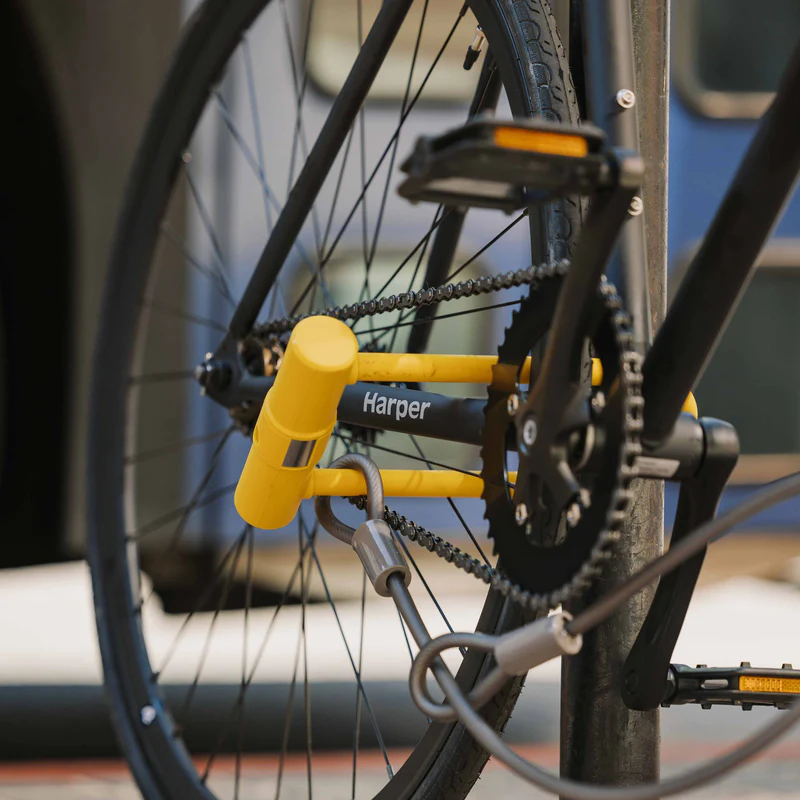
However, not all bike racks are created equal. You’ve likely seen those older “wheel bender” racks that awkwardly hold your front wheel, leaving the rest of your bike vulnerable. Thankfully, modern infrastructure increasingly features U-loop or inverted U-racks, which are perfectly suited for a robust U-lock bike rack setup, allowing you to secure both your frame and a wheel effectively.
The Anatomy of a Secure U-Lock (and What to Look For)
Choosing the right U-lock is the first critical step in elevating your U-lock bike rack defense. It’s not just about brand names; it’s about understanding the core components that make a lock truly secure.
Build Materials and Shackle Strength
At the heart of any good U-lock is its material. The industry standard is hardened steel, but for those truly high-risk areas, look for advanced materials. Locks like the Litelok X1 or Abus Granit Super Extreme 2500, for instance, incorporate angle-grinder resistant composites like Barronium or carbide-reinforced cores. These innovations buy crucial time against even the most determined thieves armed with power tools, turning what could be seconds into minutes, or even causing the thief to give up. The thickness of the shackle also matters; a 17mm or even 27mm shackle presents a much tougher challenge.
Locking Mechanisms: Keys vs. Combinations
Most high-security U-locks rely on traditional key mechanisms, often featuring double or quadruple deadbolts that lock both ends of the shackle into the crossbar. This dual-locking action makes it incredibly difficult to pry open. Many also boast pick-resistant cylinders, adding another layer of security. While combination U-locks offer convenience, many experts suggest key-based mechanisms for maximum security, especially for valuable bikes parked at a U-lock bike rack.
The Right Size for the Job
When it comes to a U-lock bike rack strategy, size really does matter. A common mistake is using a U-lock that’s too large, leaving excessive internal space. This space provides leverage for thieves attempting to pry the lock open. The ideal U-lock should be just big enough to secure your bike’s frame, one wheel, and the bike rack itself, with as little empty space as possible. Consider the dimensions of your bike’s frame and the typical bike racks you’ll encounter.
The Art of Locking: Securing Your Bike to a Rack Like a Pro
Now for the practical application. Securing your bike to a U-lock bike rack isn’t just about throwing a lock on; it’s about strategic placement and understanding the vulnerabilities.
The Frame and Rear Wheel First
This is the golden rule: always prioritize your bike’s frame and rear wheel. The rear wheel is generally harder and more expensive to replace than the front wheel due to its cassette, derailleur, and more complex hub.
Here’s how to do it:
- Position your bike close to the U-lock bike rack so that its frame (ideally the seat tube or one of the chain stays) and the rear wheel are in close proximity to a sturdy part of the rack.
- Thread the U-lock through the rear triangle of your bike’s frame, around the rim and tire of the rear wheel, and then directly around the solid element of the bike rack.
- Engage the lock, ensuring it’s snug, leaving minimal space inside the ‘U’ shape. This makes it incredibly difficult for thieves to insert tools for leverage attacks.
Adding a Cable for Front Wheel Protection
While securing the frame and rear wheel with your U-lock is crucial, what about your front wheel? Many bikes, especially modern ones, feature quick-release skewers, making the front wheel an easy target for opportunistic thieves. This is where a sturdy cable lock comes in as an invaluable companion to your U-lock bike rack setup. Loop the cable through your front wheel, then pass one end through the main U-lock shackle before locking it. This simple addition creates a comprehensive security solution.
Strategic Placement: Minimizing Weak Points
Beyond what you lock, how and where you place the lock significantly impacts security:
- Keep it off the ground: A lock resting on the ground can be smashed with a hammer more easily. Keep your U-lock elevated.
- Fill the space: As mentioned, minimize the internal space within the U-lock.
- Avoid the top tube: Never just loop the U-lock around your top tube. This leaves both wheels vulnerable and often allows thieves to simply lift the frame off the wheel or cut the frame.
Beyond the Basics: Advanced Tips for U-Lock Bike Rack Security
To truly outsmart thieves, consider these advanced tactics when using a U-lock bike rack.
Layering Your Defenses: Two Locks Are Better Than One
For high-value bikes or high-risk areas, a single U-lock might not be enough. Consider a “two-lock strategy.” This could involve two U-locks, each securing a different part of the bike to the rack, or combining a high-security U-lock with a robust chain lock. Different lock types require different tools to defeat, significantly increasing the time and effort a thief would need, often deterring them entirely.
Choosing the Right Rack
Always seek out robust, well-maintained bike racks. Inverted U-racks or “staple” racks are ideal, providing ample space to properly secure your frame and wheel. Avoid flimsy racks, thin poles, or signs that can be easily cut or removed. Some innovative solutions, like “U-Lockit” compatible racks, are specifically designed to maximize U-lock security and convenience.
Location, Location, Location
Just like real estate, bike security is often about location. Even with the best U-lock bike rack strategy, a secluded spot offers thieves more time and privacy. Choose well-lit, high-traffic areas where there are plenty of witnesses and surveillance. A busy downtown street, while potentially having more thieves, also has more eyes, making a brazen theft much riskier.
Common U-Lock Mistakes That Thieves Love (and How to Avoid Them)
Being a proactive cyclist means understanding common pitfalls. Here are some U-lock mistakes to consciously avoid:
- Locking only a wheel: This is a rookie error. A thief can quickly remove your wheel and walk away with the rest of your bike, leaving you with just a wheel and a secured U-lock.
- Locking to an insecure object: That flimsy fence post or small tree might seem convenient, but if it can be easily cut, broken, or uprooted, your bike is still at risk, regardless of your U-lock’s strength. Always choose an immovable, substantial object like a dedicated U-lock bike rack or a sturdy lamp post.
- Leaving too much space within the U-lock: As previously discussed, excess space is a thief’s best friend, providing them the leverage needed to pry open your lock. Cinch it up tight!
Expert Spotlight: Insights from a Security Specialist
“The biggest mistake I see cyclists make is underestimating the determination of thieves,” says John “The Locksmith” Davies, a veteran bike security consultant. “It’s not just about having a strong U-lock; it’s about using it intelligently. Always think like a thief: ‘How would I get this bike off this U-lock bike rack?’ If you can’t see an easy way, neither can they.”
Your Burning Questions About U-Lock Bike Racks, Answered!
What’s the best U-lock for public bike racks?
The “best” U-lock depends on your risk level, but for public bike racks, look for Sold Secure Gold or Diamond rated U-locks, especially those with angle-grinder resistance if you live in a high-theft area. Brands like Litelok, Hiplok, and Abus offer excellent options.
Can I just use a U-lock without a cable?
Yes, you can, but it’s generally recommended to combine a U-lock with a cable for comprehensive security. If you only use a U-lock, ensure it secures both your bike’s frame and its rear wheel to the bike rack. The front wheel will be vulnerable unless it’s secured too.
Where should I position my U-lock on the bike rack?
Aim to secure your U-lock through the rear triangle of your bike’s frame, around the rear wheel, and then directly around the sturdy part of the bike rack. Keep the lock as high off the ground as possible to deter hammering attacks.
How do I choose the right size U-lock for my bike and rack?
Select a U-lock that is large enough to encompass your bike’s frame, rear wheel, and the bike rack, but small enough to leave minimal internal space when locked. This reduces the leverage points a thief could use to pry it open.
Are angle-grinder resistant U-locks really worth it?
For high-value bikes or parking in areas with a high risk of theft, angle-grinder resistant U-locks are absolutely worth the investment. They provide significantly more protection against power tools than standard hardened steel locks, buying crucial time and often deterring thieves who prefer easier targets.
Conclusion
Securing your bicycle with a U-lock bike rack system doesn’t have to be a guessing game. By understanding the strength of quality U-locks, implementing smart locking techniques, and being aware of common mistakes, you empower yourself to protect your ride. Always prioritize securing your frame and a wheel to an immovable object, consider a supplementary cable for comprehensive coverage, and choose a lock that matches your risk profile. Ride with confidence, knowing your bike is as secure as it can be. Experiment with these strategies and share your experiences to help fellow cyclists keep their wheels safe!