Cycling offers unparalleled freedom, a refreshing way to commute, explore, and stay fit. But with the joy of two wheels comes the ever-present concern of bicycle theft, a reality for cyclists worldwide. In the fight against opportunistic thieves, one security solution has consistently stood out as a formidable deterrent: the U-shaped bike lock. This simple yet incredibly effective device, often seen as the cornerstone of bike security, offers robust protection, making it an indispensable tool for urban commuters and trail riders alike. When it comes to safeguarding your prized possession, understanding and properly utilizing a high-quality U Shaped Bike Lock is your first and most crucial step.
The Enduring Legacy of the U-Shaped Bike Lock
The U-shaped bike lock, sometimes referred to as a D-lock due to its characteristic silhouette, has been a staple in bicycle security for decades. Its fundamental design, featuring a hardened steel shackle and a detachable crossbar, revolutionized how cyclists secured their bikes. Before its widespread adoption, options were often limited to flimsy cables or cumbersome chains, easily defeated by determined thieves. The U-lock emerged as a game-changer, providing a rigid, strong, and highly resistant barrier against common theft tools like bolt cutters and leverage attacks. Its enduring popularity stems from this proven effectiveness, establishing it as the go-to choice for reliable bike protection in countless cities and towns globally.
Beyond the Basics: Anatomy and Popular U-Lock Designs
At its core, a u shaped bike lock consists of two primary components: a heavy-duty, curved shackle and a straight crossbar that locks into both ends of the shackle. This robust construction is typically crafted from hardened steel, a material chosen for its immense strength and resistance to cutting and sawing.
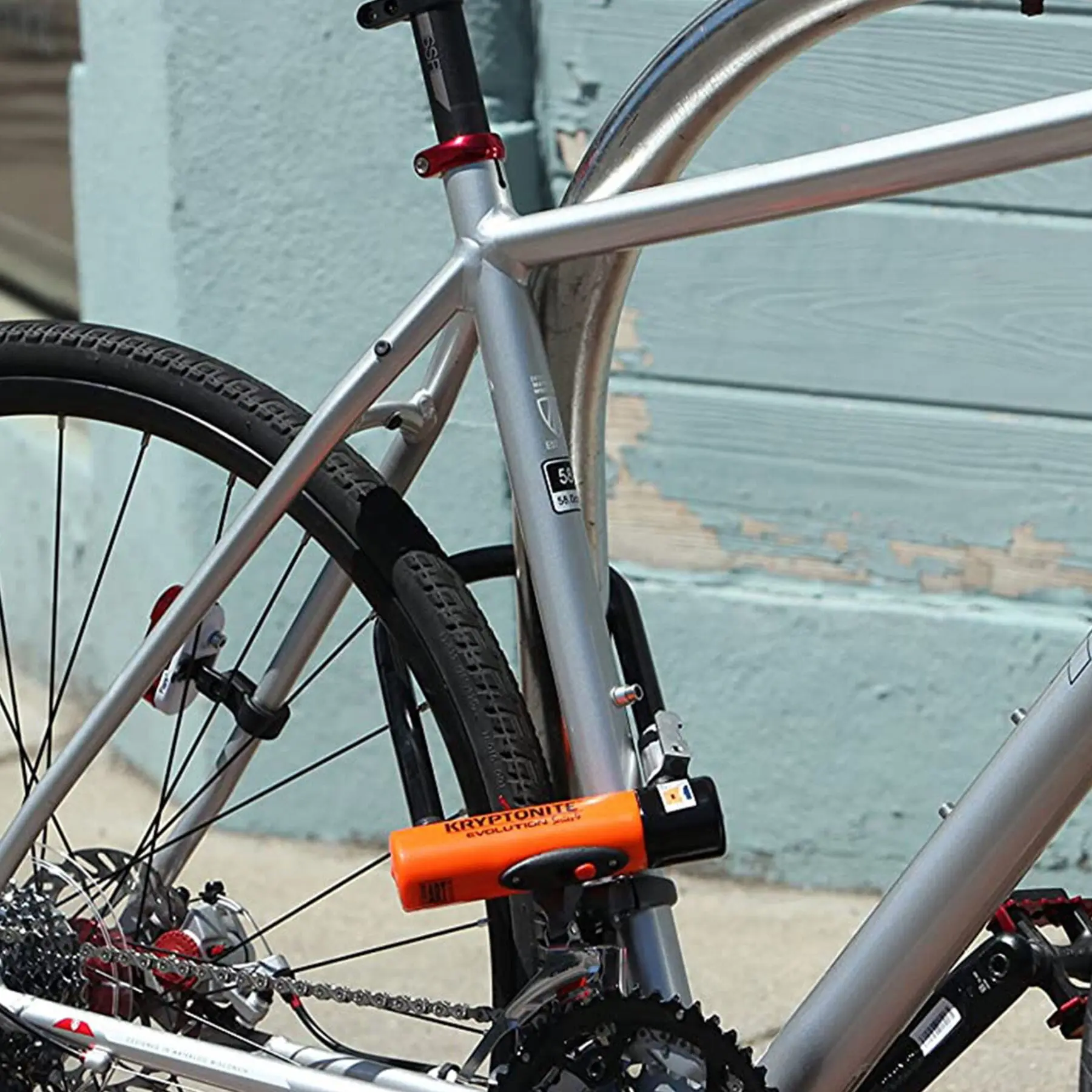
What makes modern U-locks particularly resilient? Many feature an advanced double deadbolt mechanism, meaning the shackle locks into the crossbar on both sides. This design significantly increases security, as a thief would need to make two separate cuts to defeat the lock, effectively doubling their effort and time—a critical factor in deterring theft.
U-locks come in various sizes, from compact “mini” locks to larger “standard” options. Smaller U-locks are often lauded for being inherently more secure because they minimize the internal space, leaving less room for thieves to insert leverage tools or jacks. Larger locks, while offering more versatility for securing your bike to wider objects, can present a greater vulnerability if not properly cinched down.
While most U-locks operate with a traditional key, some models offer combination mechanisms. However, for maximum security, keyed locks are generally preferred due to their complex internal cylinders, which are typically more resistant to picking. Recent innovations in materials, such as graphene composite, are also enhancing U-lock security, offering increased resistance against angle grinder attacks, a growing concern for cyclists.
Mastering Your U-Lock: A Step-by-Step Guide to Maximum Security
Having a top-tier u shaped bike lock is only half the battle; knowing how to use it correctly is paramount to effective theft prevention. Here’s how to lock your bike like a pro:
Choosing Your Anchor Point Wisely
The first rule of bike locking is to always secure your bike to an immovable object. This means a dedicated bike rack, a sturdy lamppost, or a properly installed permanent fixture. Avoid anything that can be easily cut, lifted, or dismantled, such as thin signposts, small trees, or flimsy fences. Be wary of “sucker poles”—seemingly secure objects that may have been tampered with to allow easy removal of your bike. Always give your chosen anchor a quick tug or shake to ensure it’s solid.
The “Frame First” Rule
The biggest mistake cyclists make is locking only a wheel. A thief can quickly remove an unlocked wheel and walk away with the rest of your bicycle. Your primary objective must always be to secure your bike’s frame. Position your bike close to the anchor point and thread your u shaped bike lock through the main triangle of the frame.
Securing the Rear Wheel and Frame
For optimal protection, aim to capture both the rear wheel and the frame with a single U-lock, securing them to the immovable object. This technique, often referred to as the “Sheldon Brown method,” utilizes the small space within the rear triangle of your bike. By passing the U-lock through the rear wheel (inside the triangle) and around the seat stay or chain stay, you effectively immobilize the most valuable parts of your bike—the frame and the rear wheel—with one sturdy lock.
Tight Fit, Less Opportunity
Once your U-lock is around the frame, rear wheel, and anchor, minimize any empty space within the shackle. A snug fit leaves little room for a thief to insert tools like pry bars, jacks, or even small angle grinders, making the lock much harder to attack. Push your bike as close as possible to the object you’re locking it to.
Optimal Lock Placement
Position your u shaped bike lock off the ground. If a lock is resting on the ground, it can be easier for a thief to use leverage or smash it with a hammer. Additionally, face the keyway of your lock downwards. This makes it more challenging for thieves to tamper with the locking mechanism, whether by picking, drilling, or attempting to force it open.
Elevating Your Bike Security: Advanced Tips and U-Lock Combos
While a single, properly used u shaped bike lock offers significant protection, combining it with other security measures can create an even more formidable defense system.
“Think in layers of security,” advises cycling safety expert Liam O’Connell. “The goal isn’t just to make your bike impossible to steal, but to make it more trouble to steal than the bike next to it. Thieves often look for the path of least resistance.”
One popular strategy is to combine your U-lock with a strong cable lock. Use the U-lock to secure the frame and rear wheel to an immovable object, and then thread the cable lock through the front wheel and any quick-release accessories (like your saddle or helmet) before looping it back to the U-lock. This protects easily detachable components that a U-lock alone cannot cover. For high-value bikes or extended parking periods, some cyclists even employ two U-locks for maximum frame and wheel protection.
Always choose well-lit, visible areas to lock your bike. Thieves prefer to work under the cover of darkness or in secluded spots. Parking your bike in a high-traffic area with plenty of footfall can act as an additional deterrent. Finally, registering your bike with a service like 529 Garage or Bike Index can significantly increase the chances of recovery if it is stolen, as well as acting as a deterrent to would-be thieves who prefer untraceable bikes.
Why Cyclists Swear by U-Locks: Unpacking the Benefits
The enduring popularity of the u shaped bike lock is no accident; it’s a testament to its distinct advantages:
- Superior Resistance: High-quality U-locks are incredibly resistant to common theft tools. Their hardened steel construction effectively thwarts bolt cutters, which often fail to get through the thick shackle, and makes leverage attacks extremely difficult.
- High Security-to-Weight Ratio: Compared to similarly secure chain locks, U-locks generally offer a better balance of security and portability. While heavy, they often provide more protection per pound than other lock types, making them a practical choice for daily use.
- Durability and Longevity: Built for tough conditions, U-locks are designed to withstand the elements and repeated use. Their simple mechanical design means fewer moving parts that can wear out, ensuring a long lifespan of reliable service.
- Peace of Mind: Knowing your bike is secured with a robust U-lock provides a level of confidence that allows you to leave your bike unattended without constant worry, whether you’re grabbing a coffee or at work all day.
Choosing Your Champion: What to Look for in a U-Shaped Bike Lock
Selecting the right u shaped bike lock involves weighing various factors to match your specific needs and the theft risk in your area.
Security Ratings
Look for independent security ratings from organizations like Sold Secure (UK) or ART (Europe). These bodies rigorously test locks to destruction and assign ratings (e.g., Bronze, Silver, Gold, Diamond) based on their resistance to attack. For urban environments or high-value bikes, aim for a Sold Secure Gold or Diamond rating. These certifications are a strong indicator of a lock’s protective capabilities.
Size and Fit
Consider the size of the U-lock. A smaller lock is generally more secure, as discussed, but a larger one offers more versatility for securing your bike to various objects. Think about what you typically lock your bike to and choose a size that allows for a tight fit around your frame, wheel, and anchor point.
Material and Construction
Prioritize hardened steel. Look for features like double deadbolt mechanisms, which provide extra protection against twisting and prying. If you’re concerned about angle grinder attacks, research locks that incorporate advanced materials or designs specifically engineered to resist power tools, although these often come at a premium.
Mounting and Portability
Many U-locks come with frame-mounting brackets, making them easier to carry on your bike. Test these mounts for stability—you don’t want a rattling lock on your commute. Alternatively, consider if you’ll carry it in a backpack or pannier and choose a weight you’re comfortable with.
Brand Reputation
Reputable brands like ABUS, Kryptonite, Litelok, Hiplok, and OnGuard have established track records in bike security. Investing in a lock from a trusted manufacturer often means better quality, more advanced features, and reliable customer support.
Frequently Asked Questions About U-Shaped Bike Locks
Are U-locks truly unbreakable?
No lock is 100% unbreakable against a professional thief with unlimited time and tools, especially modern power tools like angle grinders. However, high-quality U-locks are designed to be extremely resistant, making them very difficult and time-consuming to defeat, which is often enough to deter most thieves.
What’s the best size U-lock for my bike?
The “best” size depends on your bike and typical locking situations. Smaller U-locks (e.g., mini U-locks) offer higher security by limiting space for tools. Larger locks provide more versatility for wider anchor points. Aim for a lock that allows you to secure your frame and rear wheel snugly to an immovable object.
Can I lock both wheels with one U-lock?
It’s usually challenging to lock both wheels and the frame to an immovable object with a single U-lock, unless you remove the front wheel and place it alongside the rear. For comprehensive wheel security, a common strategy is to use one U-lock for the frame and rear wheel, and a separate cable lock for the front wheel.
How do U-locks compare to chain locks?
U-locks generally offer superior resistance to bolt cutters and leverage attacks compared to many chain locks, and they often provide a better security-to-weight ratio. Chain locks offer more flexibility for wrapping around awkward objects but can be heavier and bulkier for equivalent security levels.
How do I carry my U-lock?
Many U-locks come with frame-mounted brackets that attach to your bike’s frame for convenient transport. Alternatively, you can carry your U-lock in a backpack, pannier, or even slide it through your belt loop if it’s a mini U-lock.
Secure Your Ride, Embrace the Road
The u shaped bike lock stands as an undisputed champion in the realm of bicycle security. Its robust construction, resistance to common theft techniques, and proven track record make it an essential investment for any cyclist. By understanding its anatomy, mastering proper locking techniques, and choosing a lock that aligns with your specific needs and risk level, you’re not just buying a piece of hardened steel; you’re investing in the peace of mind that comes with knowing your cherished bike is well-protected. So, equip yourself with a reliable u shaped bike lock, lock it correctly every time, and continue to enjoy the open road with confidence.